HELIOS Phaethon
Low-power off-grid laptop, the SIOS on a harvested-energy budget
The Mickai HELIOS Phaethon is the low-power laptop of the energy-sovereign family, built to run the Sovereign Intelligence Operating System for the smallest watt-hour cost the cooperative of brains can be served on. A 14 inch low-power panel, an efficiency-class CPU with an on-die NPU, and an integrated GPU keep the idle and conversational draw low, and a power-aware scheduler draws model size and agent concurrency down as charge falls and lifts them again as charge returns, the same method the HELIOS Aegis runs. It carries no solar panel of its own. It is charged from any USB-C PD source, from the AC and USB-C outputs of the HELIOS Aegis or the HELIOS Eos, or from a wall socket when one is to hand, so it is the laptop the rest of the HELIOS family keeps fed off-grid. The full SIOS is sealed on the box, the Open Audit Record is signed under FIPS 204 ML-DSA-65 in place, and nothing leaves the unit unless the operator sends it. Phaethon is for the field researcher, the off-grid worker, the forward-deployed operator, and anyone who needs the SIOS on a laptop that sips power. The energy-aware scheduling method is the subject of UK patent application GB2612790.2, filed June 2026; the application is filed, and the Phaethon does not carry a separate application of its own. The operator owns the hardware, the keys, and the audit record. No subscription for context or usage. The price you pay on day one is the price you pay for life.
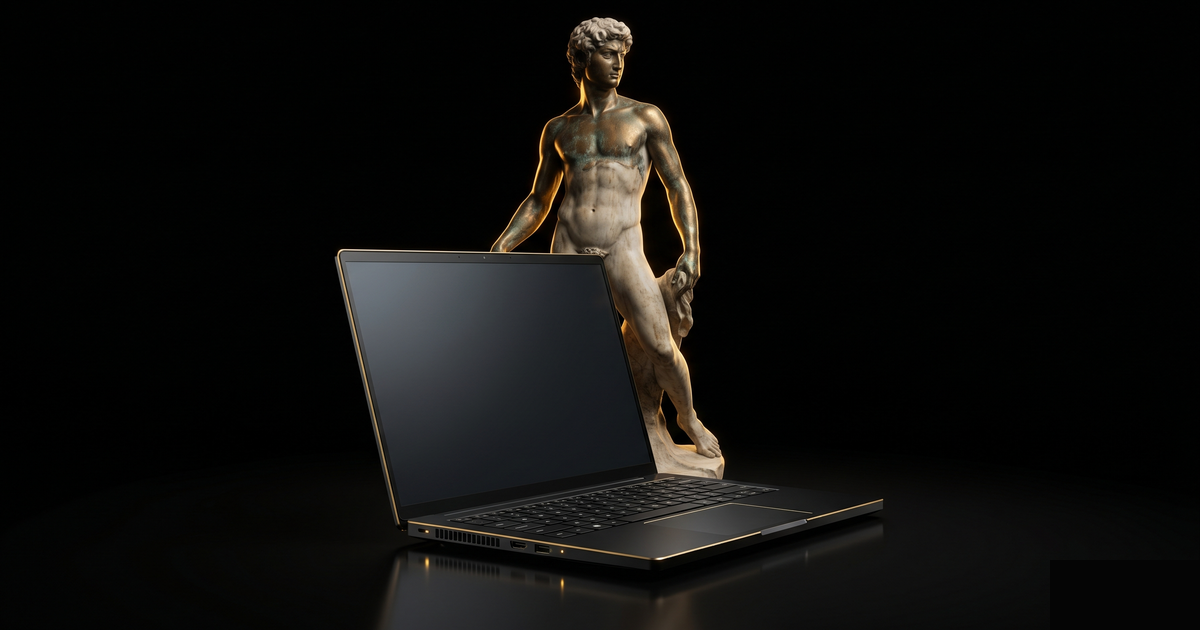
Phaethon was the son of Helios who took the reins of the sun chariot and carried the light across the sky himself. The low-power laptop carries his name because it is the HELIOS family on the move, the sun's compute taken in hand and carried into the field.
- Display
- 14 inch low-power IPS, 400 nit, optional sunlight-readable transflective panel, tuned for low draw over peak brightness
- CPU
- AMD Ryzen AI 9 efficiency class or Qualcomm Snapdragon X class ARM, on-die NPU, tuned for performance per watt
- GPU
- Integrated, no discrete GPU, to hold idle and conversational draw low
- NPU
- On-die NPU carries the smaller resident models so the package idles cool
- RAM
- 32 GB LPDDR5, optional 64 GB
- Storage
- 2 TB NVMe Gen 4, low-power, optional 4 TB
- Battery
- 75 Wh lithium ion, around 20 hours light productivity, around 6 hours sustained on-device inference
- Idle draw
- Around 4 W with the brains resident but quiescent
- Typical draw
- Around 12 W conversational SIOS, around 35 W under a light agent quorum, capped by the scheduler
- Charging
- USB-C PD in, 20 to 100 W, charges from the HELIOS Aegis or Eos outputs or any wall socket. No integral solar panel
- Keyboard
- Backlit at low brightness, gold function row, fingerprint reader
- IO
- 2x USB-C (one PD charge), USB-A, microSD, 3.5 mm audio
- Camera
- 1080p webcam with hardware privacy shutter
- Network
- Wi-Fi 7, optional LoRa companion, off by default
- Weight
- Around 1.2 kg
- Environment
- Splash and dust resistant, 0 to plus 40 C operating, fanless under typical load
Conversational and light agentic workflows for the smallest watt-hour cost the SIOS can run on, scaled to the charge available, signed throughout.
Beyond the standard Windows and Linux workflow, here is what HELIOS Phaethon does with the Mickai SIOS running on the box. Concrete capability per category, with the level the hardware can carry.
The full cooperative of brains served for the smallest watt-hour cost the laptop can run on. The scheduler keeps reasoning, retrieval, and the audit ledger alive at low charge and lifts model size and agent concurrency as charge returns. Open Audit Record signed at every commit, sealed on the box.
Around 4 W idle and around 12 W conversational, charged from any USB-C PD source or the HELIOS solar outputs. The laptop the rest of the HELIOS family keeps fed off-grid. No panel of its own by design, so the weight and cost go into efficiency, not glass.
Splash and dust resistant, fanless under typical load, around 1.2 kg, all-day light productivity off a 75 Wh battery. The SIOS on a laptop you can run where there is no reliable mains.
Document drafting, research, mapping, field data capture, note-taking, on a 14 inch low-power panel with all-day battery. Tuned for long unplugged sessions over peak performance.
An on-die NPU and integrated graphics serve the brain quorum on smaller models within the power cap. Conversational and light agentic latency on harvested energy. Honest field-class inference, not a discrete-GPU workstation.
Sealed in the OAR, no egress by construction, no subscription for context or usage. The operator owns the hardware, the keys, and the audit record.
- Power-aware scheduler runs the brains inside the energy available, the same method as the HELIOS Aegis (GB2612790.2, filed)
- Tuned for the smallest watt-hour cost the SIOS can run on, integrated graphics, fanless under typical load
- Charges from the HELIOS Aegis or Eos solar outputs, or any USB-C PD source, no integral panel
- Mickai SIOS sealed on the box, full cooperative of brains within the power envelope
- Open Audit Record signed under FIPS 204 ML-DSA-65, sealed in place
- No network egress unless the operator sends it, no subscription for context or usage
- MICKAI® wordmark etched on the lid
Mickai LTD owns the substrate and the filed portfolio; the named inventor on every application is Micky Irons. One hundred and four UK patent applications have been filed against the substrate, with 2,340 claims across them, on the public UK IPO register under GB2607309.8 onwards. The corpus covers the cooperative architecture, the Open Audit Record, the FIPS 204 ML-DSA-65 signing primitive, the clearance-gated retrieval, the audio dual-layer watermark, the silicon root of trust, and the host-acceptance attestation that lets the Mickai bundle migrate from one machine to another without breaking its signed chain.
Poseidon, the Mickai Sovereign AI SoC. In-house silicon that complements the GPU fabric on every SKU. Carries the OAR signing primitive in silicon, holds the hardware identity and cryptographic root of trust, and sits between the network interface and the GPU fabric so every action that crosses the bus can be policy-checked before commit. Optional on every SKU as the silicon lands.
Pricing TBD. The price on day one is the price for life. No subscription for context or usage. Only paid upgrades through the sandboxed channel, optional.
Launch window: Late 2026
One machine, the whole sovereign stack, owned outright.
Every SKU inherits the same patented substrate and sealed audit trail. When you want the unit economics and a working demonstration, request a briefing or read the investor case.